
舒希達水利系統,乃是以其創造性天才傑作而被登錄為世界遺產地,其年代可尋跡上溯至公元5世紀的大流士大帝時代。此遺產地包括了興建在卡倫河上的兩條引水渠道,其中之一的卡嘎大圳至今仍在運作,供應舒希達城用水並通過一整套水道系統供水給磨坊使用。此套水利系統構成一個層層流水如瀑的特殊崖壁,灌流入下游的水塘。然後注入城鎮南緣被稱為米安布(意為天堂),一處栽植蘭花與其它作物的4萬公頃平原地帶。在遺產地的範圍內還包括許多著名的古蹟,如撒拉塞堡,整座水利系統的操控中心,水面觀測塔,大壩,古橋,水塘與磨坊。此地可說是埃藍人、美索布達米亞人與年代較近的納巴泰專業工藝如何運作,以及羅馬建築如何影響的最佳例證。
Shushtar, Historical Hydraulic System, inscribed as a masterpiece of creative genius, can be traced back to Darius the Great in the 5th century B.C. It involved the creation of two main diversion canals on the river Kârun one of which, Gargar canal, is still in use providing water to the city of Shushtar via a series of tunnels that supply water to mills. It forms a spectacular cliff from which water cascades into a downstream basin. It then enters the plain situated south of the city where it has enabled the planting of orchards and farming over an area of 40,000 ha. known as Mianâb (Paradise). The property has an ensemble of remarkable sites including the Salâsel Castel, the operation centre of the entire hydraulic system, the tower where the water level is measured, damns, bridges, basins and mills. It bears witness to the know-how of the Elamites and Mesopotamians as well as more recent Nabatean expertise and Roman building influence.
☆☆☆☆☆☆☆☆
遺產地小檔案
舒希達水利系統Shushtar Historical Hydraulic System
所在國:伊朗
登錄年度:2009
占地面積:240.4152公頃
座落位置:北緯32度01分07秒,東經48度50分09秒
遺產編號:1315
適用標準:(i)(ii)(v)
遺產地連結:
http://whc.unesco.org/en/list/1315/worldheritage 發表在 痞客邦 留言(0) 人氣(1,260)

朝鮮王陵由散佈在18處不同地區的40座陵墓所組成,從1408年到1966年,跨越5個世紀之久,這些陵墓建造的目的是為了光宗耀祖,表達崇敬,彰顯王室威望,保護先祖亡靈免於邪魔侵擾,並防止野蠻的破壞行徑。陵墓皆修築於景色秀麗之處,座北朝南,背後傍山以為倚恃,墓前則有一水相依。更理想的位址,還有層層山巒圍繞於遠處。在埋葬的陵地之旁,王陵另有舉行儀典的處所與門闕。而在墓墩之外,其它附屬建築物也是整個陵墓完整的一部分,包括丁字形的木造神祠、碑亭、御廚與侍衛房舍,以及一道漆成全紅的大門和看守陵墓者居住的屋舍。在陵墓之外的墓道上,則是整列的石像生與石獸。朝鮮王陵可說是總結了朝鮮半島5千年來的王陵建築。
The Royal Tombs of the Joseon Dynasty form a collection of 40 tombs scattered over 18 locations. Built over five centuries, from 1408 to 1966, the tombs honoured the memory of ancestors, showed respect for their achievements, asserted royal authority, protected ancestral spirits from evil and provided protection from vandalism. Spots of outstanding natural beauty were chosen for the tombs which typically have their back protected by a hill as they face south toward water and, ideally, layers of mountain ridges in the distance. Alongside the burial area, the royal tombs feature a ceremonial area and an entrance. In addition to the burial mounds, associated buildings that are an integral part of the tombs include a T-shaped wooden shrine, a shed for stele, a royal kitchen and a guards’ house, a red-spiked gate and the tomb keeper’s house. The grounds are adorned on the outside with a range of stone objects including figures of people and animals. The Joseon Tombs completes the 5,000 year history of royal tombs architecture in the Korean peninsula.
☆☆☆☆☆☆☆☆
遺產地小檔案
朝鮮王陵 Royal Tombs of the Joseon Dynasty
所在國:南韓
登錄年度:2009
占地面積:1891.2000公頃
緩 衝 區:4660.1000公頃
座落位置:北緯37度11分50秒,東經128度27分10秒
遺產編號:1319
適用標準:(iii)(iv)(vi)
遺產地連結:
http://whc.unesco.org/en/list/1319/worldheritage 發表在 痞客邦 留言(0) 人氣(1,229)

海克力士塔是座落於西班牙西北部拉科魯納港入口的一座燈塔與地標,自公元1世紀,由羅馬人開拓法隆布萊剛提恩(即今日的拉科魯納)以來即聳立至今。此塔建造在一座57公尺高的巨大岩塊上,塔本身亦高達55公尺,可區分為往上逐漸縮小的三層,最頂層則是羅馬式的燈塔結構。還有一座小的方形羅馬式建築緊靠於燈塔旁。此處遺產地還包括一座雕塑庭園,從鐵器時代遺留到現在的畢克士山石雕,以及一處穆斯林墓園。在1990年代時,曾挖出羅馬時代殘存的建築地基。從中古世紀到19世紀曾有許多傳奇故事縈繞著海克力士塔,畢竟它是希臘羅馬時代遺留至今,唯一一座結構完整且還在運作的燈塔。
The Tower of Hercules has served as a lighthouse and landmark at the entrance of La Coruña harbour in north-western Spain since the late 1st century A.D. when the Romans built the Farum Brigantium. The Tower, built on a 57 metre high rock, rises a further 55 meters. It is divided into three progressively smaller levels, the first of which corresponds to the Roman structure of the lighthouse. Immediately adjacent to the base of the Tower, is a small rectangular Roman building. The site also features a sculpture park, the Monte dos Bicos rock carvings from the Iron Age and a Muslim cemetery. The Roman foundations of the building were revealed in excavations conducted in the 1990s. Many legends from the Middle Ages to the 19th century surround the Tower of Hercules which is unique as it is the only lighthouse of Greco-Roman antiquity to have retained a measure of structural integrity and functional continuity.
☆☆☆☆☆☆☆☆
遺產地小檔案
海克力士塔 Tower of Hercules
所在國:西班牙
登錄年度:2009
占地面積:86.3100公頃
緩 衝 區:142.4900公頃
座落位置:北緯43度23分09秒,東經08度24分23秒
遺產編號:1312
適用標準:(iii)
遺產地連結:
http://whc.unesco.org/en/list/1312/worldheritage 發表在 痞客邦 留言(0) 人氣(1,241)
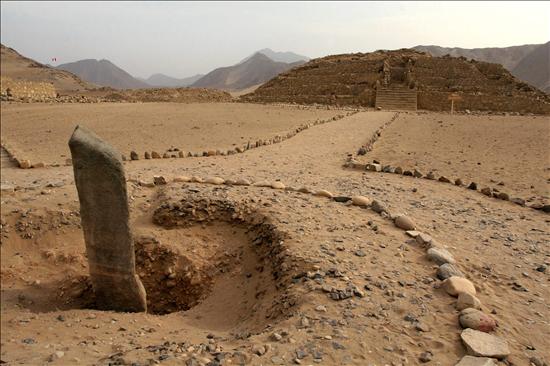
距今已有5千年,占地廣達626公頃的卡羅爾-蘇沛聖城考古遺址,座落於一處能夠俯瞰蘇沛河翠綠河谷的乾漠台地上。其歷史可上溯到中安地斯山區的遠古時代末期,也是美洲最古老的文明中心。最特別的是此處遺址保存完好,其建築設計與複雜程度令人印象深刻,尤其是此地的石碑、土造平台與低下的環狀庭院。而古代18個城市型聚落之一的卡羅爾也同時位於此地,卡羅爾擁有複雜且高大的建築,包括6座大型金字塔形結構建築。在此處遺產地所發現的圭普(在安地斯文明中用來記錄資訊的繩結系統,類似中國的結繩記事),可說是卡羅爾社會發展及複雜程度的明證。此座城市的規劃以及某些組成部分,如金字塔形結構建築與上層菁英所住的住宅,都清楚的顯示出儀式活動的功能,標誌著當地擁有強大的宗教性意識型態。
The 5000-year-old 626-hectare archaeological site of The Sacred City of Caral-Supe is situated on a dry desert terrace overlooking the green valley of the Supe river. It dates back to the Late Archaic Period of the Central Andes and is the oldest centre of civilization in the Americas. Exceptionally well-preserved, the site is impressive in terms of its design and the complexity of its architectural, especially its monumental stone and earthen platform mounts and sunken circular courts. One of 18 urban settlements situated in the same area, Caral features complex and monumental architecture, including six large pyramidal structures. A quipu (the knot system used in Andean civilizations to record information) found on the site testifies to the development and complexity of Caral society. The city’s plan and some of its components, including pyramidal structures and residence of the elite, show clear evidence of ceremonial functions, signifying a powerful religious ideology.
☆☆☆☆☆☆☆☆
遺產地小檔案
卡羅爾-蘇沛聖城 Sacred City of Caral-Supe
所在國:秘魯
登錄年度:2009
占地面積:240.4152公頃
緩 衝 區:14620.3100公頃
座落位置:南緯10度53分30秒,西經77度31分17秒
遺產編號:1269
適用標準:(ii)(iii)(iv)
遺產地連結:
http://whc.unesco.org/en/list/1269/ worldheritage 發表在 痞客邦 留言(0) 人氣(1,093)

位於威爾斯東北部,長達18公里的旁特斯沃泰水道橋與運河是工業革命時代土木工程的一項重大成就。完工於19世紀初的運河,為了跨越不同地理位置的限制,必須運用各種土木工程技術,尤其是在未規劃使用水閘的情況下建造。水道橋則是一處開創性的工程傑作,使用永久性金屬結構所建築而成,由當時著名的土木工程師湯瑪士‧泰爾福德(Thomas Telford)設計興建。同時使用澆鑄技術與鍛鐵的結果,讓水道橋所建成的弧拱得以又輕又穩固,創造出穩固與優雅並重的視覺效果。此處遺產地以其傑出的創意與天才巨作而被登錄,也可說是是歐洲當時各項建築技術應用的總成。同時此處亦被公認是足以啟發全世界許多不同工程的創新建築。
Situated in north-eastern Wales, the 18 kilometre long Pontcysyllte Aqueduct and Canal is a feat of civil engineering of the Industrial Revolution, completed in the early years of the 19th century. Covering a difficult geographical setting, the building of the canal required substantial, bold civil engineering solutions, especially as it was built without using locks. The aqueduct is a pioneering masterpiece of engineering and monumental metal architecture, conceived by the celebrated civil engineer Thomas Telford. The use of both cast and wrought iron in the aqueduct enabled the construction of arches that were light and d strong, producing an overall effect that is both monumental and elegant. The property is inscribed as a masterpiece of creative genius, and as a remarkable synthesis of expertise already acquired in Europe. It is also recognized as an innovative ensemble that inspired many projects all over the world.
worldheritage 發表在 痞客邦 留言(0) 人氣(1,127)

占地1萬1130平方公尺的此處,是布吉納法索首座世界遺產地,其壯闊的石牆乃是洛比地區10座堡壘中保存最好的一處,也是泛撒哈拉地帶過去黃金貿易所帶來的強盛力量之最佳明證。位於象牙海岸、迦納與多哥等國邊界地帶的此處遺址,距今至少有千年之久。當地的聚落曾被洛朗或寇朗哥族所佔領,他們在14到17世紀之間達到勢力發展的顛峰,控制了此地區的黃金提煉與交易。縈繞在此地的許多傳奇,大部分都仍有待進一步的發掘。目前關於此處遺產地的資料仍少,不過這些聚落看來在悠長歷史中的某些時期曾經被居民離棄數次,最後則在19世紀初葉被荒廢至今。
The 11,130m2 property, the first to be inscribed in the country, with its imposing stone walls is the best preserved of ten fortresses in the Lobi area and is part of a larger group of 100 stone enclosures that bear testimony to the power of the trans-Saharan gold trade. Situated near the borders of Côte d’Ivoire, Ghana and Togo, the ruins have recently been shown to be at least 1,000 years old. The settlement was occupied by the Lohron or Koulango peoples, who controlled the extraction and transformation of gold in the region when it reached its apogee from the 14th to the 17th century. Much mystery surrounds this site large parts of which have yet to be excavated. The settlement seems to have been abandoned during some periods during its long history. The property which was finally deserted in the early 19th century is expected to yield much more information.
worldheritage 發表在 痞客邦 留言(0) 人氣(1,006)

位於瑞士侏儸山區偏遠地帶的恰德馮斯與洛克兩座比鄰的城鎮,共同組成鐘錶製造計畫城鎮的世界遺產地。他們的工場與建築反映了鐘錶製造工匠所需的合理規劃。19世紀初葉,由於當年的一場大火,加上當地係以單一工業型態而存在,導致恰德馮斯與洛克得以依照鐘錶製造的需求重新進行規劃,城鎮由一列列平行的屋舍和工場所構成,充分反映出當地從17世紀延續至今持續不墜的鐘錶製造文化。此處遺產地展現出單一工業製造城鎮也可以妥善保存且依舊生機盎然。此二座城鎮的規劃型態歷程更涵蓋了從手作工坊到19世紀末與20世紀初的密集工業生產方式的變遷。馬克斯在《資本論》中於分析當年侏儸山區的鐘錶製造的勞動分工時,曾形容恰德馮斯是一座「龐大的工業城鎮」。
The site of La Chaux-de-Fonds / Le Locle watchmaking town-planning consists of two towns situated close to one another in a remote environment in the Swiss Jura mountains, on land ill-suited to farming. Their planning and buildings reflect watchmakers’ need of rational organization. Planned in the early 19th century, after extensive fires, the towns owed their existence to this single industry. Their layout along an open-ended scheme of parallel strips on which residential housing and workshops are intermingled reflects the needs of the local watchmaking culture that dates to the 17th century and is still alive today. The site presents outstanding examples of mono-industrial manufacturing-towns which are well preserved and still active. The urban planning of both towns has accommodated the transition from the artisanal production of a cottage industry to the more concentrated factory production of the late 19th and 20th centuries. The town of La Chaux-de-Fonds was described by Karl Marx as a “huge factory-town” in Das Kapital where he analyzed the division of labour in the watchmaking industry of the Jura.
worldheritage 發表在 痞客邦 留言(0) 人氣(1,028)

比利時的銀行家與藝術品蒐集者阿道夫‧史托克雷特(Adolphe Stoclet)委託當年維也納分離派運動中居於領導地位的建築家之一約瑟夫‧霍夫曼(Josef Hoffmann)為他建造此座宅邸。由於建造當時並無預算上限,這棟落成於1911年的建築物與附屬的庭園,被公認為是維也納分離派的代表作,同時也稱得上是20世紀最為精緻且最為華麗的私人建築。大理石牆面的外觀充滿現代主義具備的簡潔感,而出自莫薩(Koloman Moser)與克林姆(Josef Hoffmann)等大師之手的內部空間設計,讓此座建築由內到外都創造出渾然一體的藝術感,可說是歐洲建築藝術復興的明證。同時此座宅邸無論內外都保持了高度的完整性,原來的設施與家具大部分都維持原狀。
When banker and art collector Adolphe Stoclet commissioned this house from one of the leading architects of the Vienna Secession movement, Josef Hoffmann, in 1905, he imposed neither aesthetic nor financial restrictions on the project. The house and garden were completed in 1911 and their austere geometry marked a turning point in Art Nouveau, foreshadowing Art Deco and the Modern Movement in architecture. Stoclet House is one of the most accomplished and homogenous buildings of the Vienna Secession, and features works by Koloman Moser and Gustav Klimt, embodying the aspiration of creating a ‘total work of art' (Gesamtkunstwerk). Bearing testimony to artistic renewal in European architecture, the house retains a high level of integrity, both externally and internally as it retains most of its original fixtures and furnishings.
worldheritage 發表在 痞客邦 留言(0) 人氣(1,085)
worldheritage 發表在 痞客邦 留言(0) 人氣(91)

此處遺產地原名為萊貝拉格蘭迪,於18世紀晚期才改名為西達迪弗哈,乃是歐洲國家在熱帶地區的首處殖民地。位於聖地牙哥島南端的這處城鎮,仍保留殖民時期的原始街道分佈型態,也還留存著當年的兩座教堂,一座皇家要塞,以及聳立著16世紀大理石柱的皮洛瑞廣場。
The town of Ribeira Grande, renamed Cidade Velha in the late 18th century, was the first European colonial outpost in the tropics. Located in the south of the island of Santiago, the town features some of the original street layout impressive remains including two churches, a royal fortress and Pillory Square with its ornate 16th century marble pillar.
worldheritage 發表在 痞客邦 留言(0) 人氣(135)


 芳德諾廣場 (7)